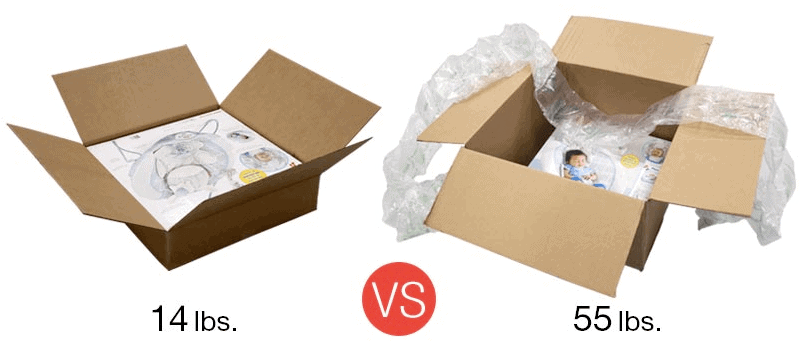
Dimensional weight, or volumetric weight, is used by shipping carriers to calculate fees based on package size rather than actual weight. This ensures bulky, lightweight shipments are fairly priced. Carriers charge whichever is greater—your package’s actual (physical) weight or its dimensional weight.
Use the calculator above to quickly find the chargeable weight of your shipment.
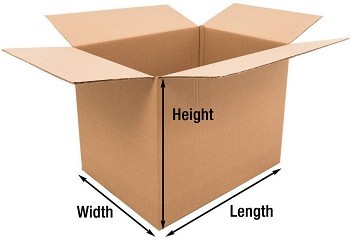
In centimeters: Length × Width × Height ÷ 5000 = kilograms
In inches: Length × Width × Height ÷ 139 = pounds
Dimensional weight is a pricing method carriers use to account for package size in addition to actual weight.
Use custom-sized packaging and avoid bulky boxes to reduce dimensional weight.
Dimensional weight is calculated as:
(Length × Width × Height) ÷ Dim Divisor
For most express carriers like DHL, FedEx, or UPS, the divisor is 139 for inches or 5000 for centimetres.
Dimensional weight is typically used for air, express, and international shipments—especially for lightweight items in large boxes. It ensures fair space usage pricing.
Yes, for express shipments (FedEx, DHL, UPS) from our Shenzhen depot, dimensional weight is used to calculate the billable rate. For sea freight, actual weight and volume (CBM) matter more.
It’s an estimate. The final billed weight may vary slightly after carrier measurement. BlindShip always uses the carrier-verified weight for invoicing.
Chargeable weight is the greater of actual weight or dimensional weight. If your shipment weighs 2kg but has a dim weight of 4kg, you’ll be charged for 4kg.
Always check your carrier’s current dim divisor to avoid surprises.
No. Sea freight is typically charged based on volume (CBM) or actual weight, not dimensional weight. BlindShip applies dimensional rules only for express/air services.
Dimensional weight considers the space a shipment takes up, not just its scale weight. Large, lightweight packages (like pillows or apparel) are often charged by dimensional weight to prevent inefficiencies in carrier space.
We use standard carrier formulas:
Use our calculator above for a fast estimate before shipping or quoting.
Want to go deeper? Read our full guide: Master Blind Shipping – A Guide →

Looking forward to connecting!
Thanks, Team SCD